Is What I'm Feeling Normal? How Therapy Can Help During the Postpartum Period

Everyone tells you to expect sleepless nights. They tell you that your life is about to change and that having a baby will be one of the happiest moments of your life!
What fewer people talk about is the constant worry, racing thoughts, pressure to get everything right, or the guilt that can come when things don’t feel the way you expected. Maybe you’re struggling with breastfeeding and wondering if you’re failing. Maybe you feel overwhelmed by the responsibility and expectations of caring for a baby.
If you’ve found yourself wondering, “Is this normal?” you’re not alone.
The postpartum period can be tough! While you’re caring for your baby, you’re recovering physically, adjusting to little to no sleep, navigating changing hormones, and learning a completely new role. You don’t have to wait until things feel unbearable to reach out for support.
Reach out today for Postpartum Therapy in San Diego, CA
What Are the Baby Blues? Is This Normal After Having a Baby?
The baby blues are a common and temporary emotional experience that many new parents experience after giving birth.
After pregnancy and birth, your body is going through significant changes. Hormone shifts, physical recovery, sleep deprivation, and adjusting to life with a newborn can leave you feeling more emotional than usual.
You may notice that you:
Cry more easily than normal.
Have trouble concentrating or experience brain fog.
Feel extreme irritability, impatience, and mood swings.
Mild anxiety or bursts of worry
Feel exhausted, restless, or unlike yourself.
Insomnia, even when baby is sleeping.
Having these feelings or thoughts does not mean you’re doing something wrong. For many parents, this is part of the adjustment to becoming a parent.
How Long Do the Baby Blues Last?
The baby blues usually begin within the first few days after delivery, often peak around days 3 to 5, and gradually improve within about two weeks.
Some days may feel harder than others as you recover and adjust to your new routine. However, if these feelings continue longer than two weeks, feel overwhelming, or begin interfering with your daily life, it may be a sign that something more is going on.
Is It the Baby Blues or Something More?
While the baby blues are temporary, not everyone feels better after those first couple of weeks. Some parents continue to experience persistent sadness, overwhelming anxiety, intrusive thoughts, panic, difficulty sleeping even when given the opportunity, or feelings of disconnection from themselves, their partner, or their baby. Others may find themselves constantly on edge, replaying conversations, or worrying about every possible "what if."
If you're feeling this way, know that you don't have to keep struggling. It isn't simply a rite of passage after having a baby.
These experiences may be signs of a perinatal mental health condition, which can occur during pregnancy or after birth. Perinatal mental health conditions affect many individuals and families during the transition to parenthood.
Perinatal mental health conditions can include:
Postpartum anxiety
Postpartum depression
Obsessive-compulsive disorder (OCD)
Post-traumatic stress disorder (PTSD)
Bipolar disorder
Experiencing a perinatal mental health condition does not mean you’re a bad parent, that you’ve done something wrong, or that something is wrong with you. These conditions are common, treatable, and support is available.
Why Can’t I Relax? Understanding Postpartum Anxiety

Postpartum anxiety can feel like your brain is always searching for the next thing to worry about.
You may find yourself:
Constantly checking, researching, or looking for reassurance.
Thinking, “What if something happens?”
Replaying conversations or second-guessing your decisions.
Feeling like your mind won’t shut off.
Thinking, “I can’t relax or nap because I feel on edge.”
Feeling like your brain won’t slow down, even when you’re exhausted.
I Thought I Would Be Happier After Having a Baby. Understanding Postpartum Depression
Postpartum depression is more than having a difficult day or feeling emotional after a long night.
You may find yourself:
Feeling sad, numb, or like you’re just going through the motions.
Crying more than you expected.
Thinking, “I should be happier than this.”
Feeling guilty because you’re struggling when you think you should be enjoying this time.
Feeling disconnected from yourself, your partner, or your baby.
Wondering, “When will I start feeling like myself again?”
Why Am I So Angry? Understanding Postpartum Rage and Irritability
Many parents are surprised by feelings of anger after having a baby. You may feel ashamed or guilty for the rage that bubbles beneath the surface.
Postpartum rage or irritability can show up as:
Feeling overwhelmed by small things that normally wouldn’t bother you.
Feeling like you’re constantly touched out, overstimulated, or running on empty.
Becoming frustrated more quickly than you used to.
Feeling angry and then guilty afterward.
Thinking, “Why am I reacting this way?”
Feeling like you’re carrying too much and no one understands how much you’re managing.
Anger is usually connected to something underneath surface. Together, we often find that anger is connected to exhaustion, anxiety, depression, resentment, or the overwhelming adjustment of becoming a parent.
Having these feelings does not make you a bad parent. It means you may need support, compassion, and space to process what you’re carrying.
Postpartum Affects Partners, Too
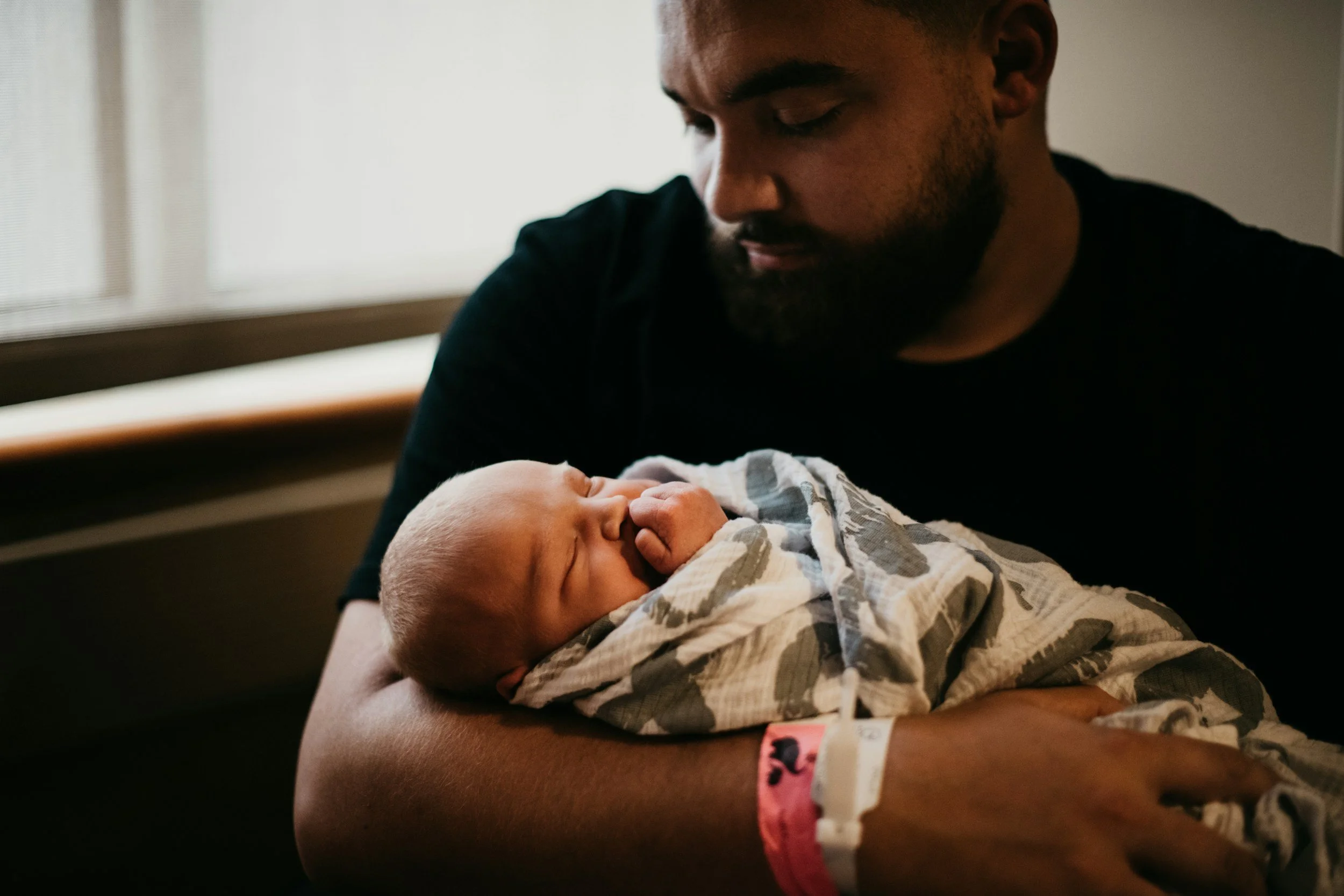
The transition to parenthood can be challenging for partners as well.
Partners may find themselves:
Feeling overwhelmed by the responsibility of caring for a baby.
Worrying constantly about their partner or baby.
Keeping their feelings to themselves because they think they need to "be the strong one."
Feeling disconnected from their partner or family.
Wondering why they aren't enjoying this stage as much as they expected.
Feeling pressure to provide or questioning whether they’re doing enough.
Partners deserve support, too. Reach out to your Postpartum Therapist in San Diego today!
When Should I Reach Out for Support?
You don’t have to wait until things feel unbearable to start therapy.
Many parents reach out because they’re thinking:
Something feels off, but I don’t know why.
Why am I having such a hard time with this?
Everyone keeps telling me to enjoy this time, but I’m struggling.
I feel guilty asking for help.
I’m exhausted, but I can’t relax.
I can’t stop worrying about everything.
If something feels harder than it should, that is reason enough to reach out.
How Therapy Can Help During the Postpartum Period
You spend so much time caring for everyone else. Therapy is a space dedicated just for you—what you’re feeling, what you’re carrying, and what you need.
Maybe you’re tired of worrying all the time. Maybe you’re putting pressure on yourself to get everything right. Maybe you keep telling yourself you should be able to handle this, but underneath it all, you’re feeling overwhelmed.
Therapy can help you:
Feel calmer when your thoughts feel overwhelming.
Trust yourself and your decisions as a parent.
Let go of guilt and pressure to do everything perfectly.
Feel more comfortable asking for help and making space for your own needs.
Process a difficult pregnancy, birth experience, or transition into parenthood.
Feel more present and connected with yourself and your relationships.
You don’t have to have it all figured out to be a good parent. You deserve support while navigating one of the biggest transitions of your life.
Reach out for Postpartum Therapy Today!
Becoming a parent changes you. It can bring joy, love, uncertainty, fear, and emotions you never expected.
If you’ve been wondering, “Is this normal?” or “Should I be able to handle this on my own?” know that you don’t have to figure it out alone. Support is available.